
Residential & Villa
The Villa Construction Process: 10 Steps from Plot to Occupancy Permit
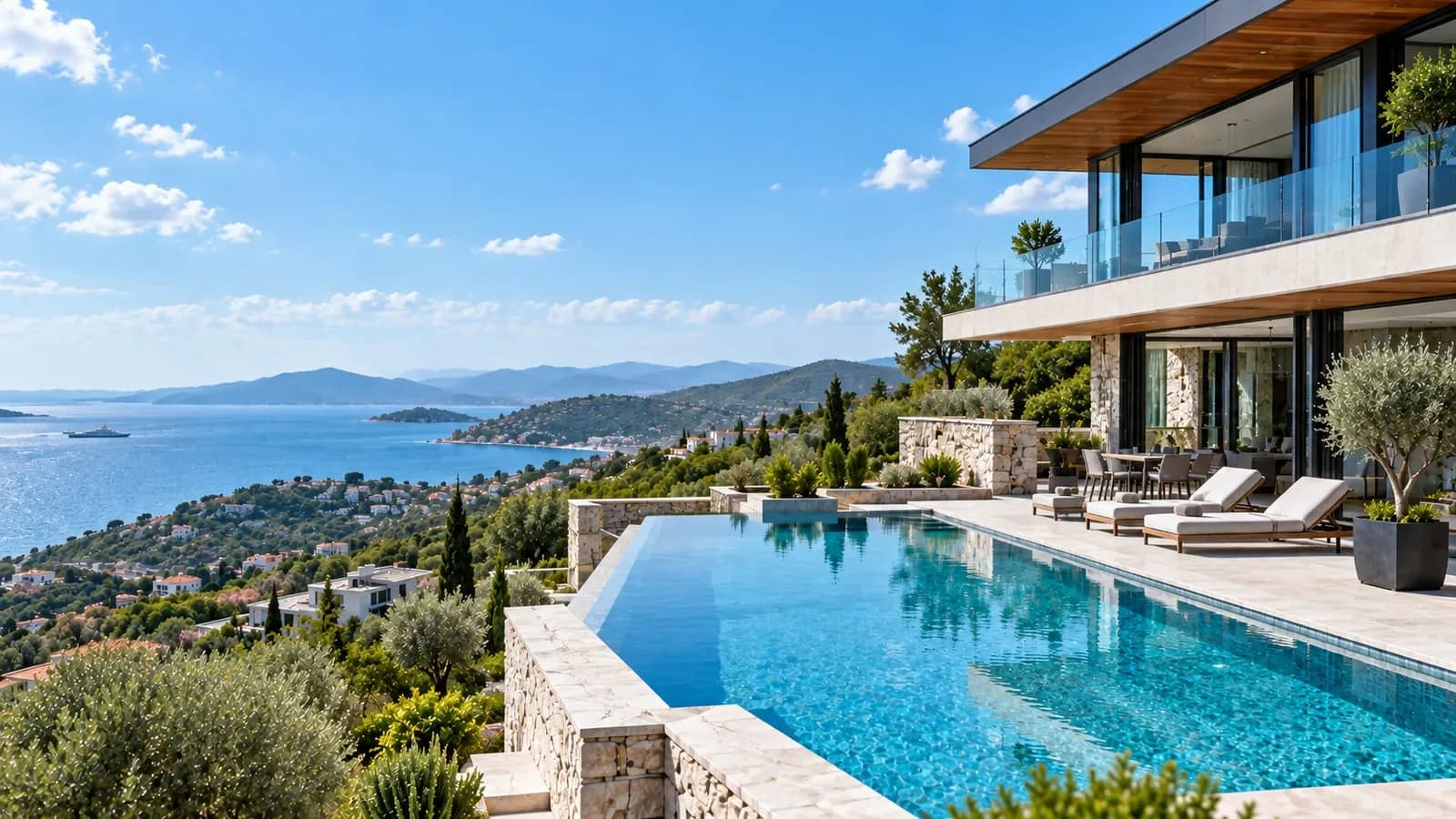
The 10 steps of building a villa, from assessing the plot to the occupancy permit: which document when, which decision when, and how long each step takes.
Building a villa means taking dozens of linked decisions in the right order; when the order slips, the job gets both longer and more expensive. This guide walks through the ten steps a villa goes through from plot to occupancy permit, the decisions and documents expected of you at each step, and the average time each takes. The timings come from the work programme Savaş Grup uses on its villa projects; overall, a single turnkey villa takes 8–14 months on average.
1. Assess the plot
Everything starts with the zoning status certificate from the municipality: how many storeys are allowed, the ground coverage (TAKS) and floor-area ratio (KAKS), building height and setbacks from neighbouring plots. A villa designed without this document will most likely be redesigned. At this stage also check the title deed, the road frontage and how far the electricity, water and sewer connections are from the plot.
2. Commission a soil survey
The soil survey report shows the bearing capacity of the plot and the groundwater situation; it decides the foundation type and with it a large part of the budget. Weak ground needs piled foundations or ground improvement, and putting this into the design from the start is far cheaper than discovering it after excavation. The report is also a mandatory part of the permit file.
3. Write down your requirements
Before you see an architect, make the list: bedrooms and bathrooms, study and guest room, parking, pool, how you will use the garden, whether you need a lift, your budget range. The clearer the programme, the fewer times the concept is redrawn. You can enter your storeys, rooms, pool and landscaping preferences in the project planner for an initial programme.
4. Choose the structural system
Reinforced concrete is the most common system in Türkiye and the freest in design. In a steel villa the members are prepared in the workshop, so time on site is usually shorter; in a prefabricated villa the wall, floor and roof panels are made in a factory. The ground, the architecture and the schedule decide together; the differences are explained on our villa construction page. Make this decision at concept stage: changing the system later means redrawing the project.
5. Approve the plan in concept and 3D (2–4 weeks)
Plans, façades and interior visuals are prepared at this stage. This is when changes are cheapest: moving a wall is a line on a drawing here and demolition after the structure is built. Give your approval together with everyone who will live in the house.
6. Construction drawings and permit (2–3 months)
- Permit designs: architectural, structural, mechanical and electrical designs are prepared.
- Building inspection contract: required by Law No. 4708 on Building Inspection and signed with an inspection firm, which checks every stage throughout construction.
- Building permit: issued by the municipality under Zoning Law No. 3194. Construction cannot start without it.
How long this step takes depends mostly on the municipality. A complete project and file shortens it, and having the team that prepared the designs handle the application speeds things up.
7. Sign an itemised contract
The contract should carry an itemised quantity and materials list as an annex: what each item is, in what quantity, and with which brand, grade or sample. Payment should follow the work through progress payments, not up front. Also write into the contract how later changes will be priced; most disputes start there. What drives the cost is explained in turnkey construction cost.
8. Structural works (3–5 months)
Foundations, structure, roof, waterproofing and thermal insulation happen at this stage. The building inspection firm checks the reinforcement before concrete is poured; concrete samples are taken and recorded. These records are your building's identity documents later on, so ask for copies. Our seismic safety criteria are set out in modern engineering for earthquake-safe housing.
9. Services and finishes (3–5 months)
Mechanical and electrical services, joinery, façade, floor coverings, kitchen and bathrooms come at this stage. Late material decisions are what most often push the schedule: complete your choices while the structure is still going up. Once a fully finished sample room is approved, the other rooms are done to the same standard. We cover material choices in choosing materials for a luxury villa.
10. Landscaping, testing and occupancy permit (3–6 weeks)
Landscaping and the pool are completed and the services are tested. With the building inspection firm's report, an application is made to the municipality for the occupancy permit (iskan); permanent electricity, water and gas connections depend on it.
How Long Does It Take in Total?
The steps partly overlap: materials and crews are prepared while the permit is pending, and finishing choices are made while the structure is built. So the total is shorter than the sum of the steps; a single turnkey villa takes 8–14 months on average. With steel and prefabricated systems time on site is usually shorter, while the permit and finishing stages stay the same.
Five Common Mistakes
- Having the villa designed before seeing the zoning status. A design that ignores the floor-area ratio and setbacks will not get a permit.
- Leaving the soil survey until late. If the foundation type changes, the budget and the schedule change with it.
- Agreeing on a single price per m². If what is included is not written down, you find out later what is not.
- Paying up front. Payment should follow the progress of the work.
- Delaying material decisions. This is the most common reason the finishing schedule slips.
Where to go next
- Our villa construction service: villa types, scope and permits
- Choosing Materials for a Luxury Villa
- Our completed projects

By
Serdar Savaş · Founder and Chairman
In the construction industry since 1989; founded Savaş Grup A.Ş. in 1998. Has led 30 factory, hotel, residential and wellness projects in 6 countries. Writes on the urban-transformation contracting model and international project partnerships.
Get a quote for this service
Fill in the form for a free survey and a transparent, quantity-based proposal; we reply within one business day.